
Things to Do in Brasilia in July
July weather, activities, events & insider tips
Shoulder Season · Good Value
July Weather in Brasilia
Long-run averages for July in Brasilia
78°F (25°C)
High Temp
57°F (13°C)
Low Temp
0.1 inches (3 mm)
Rainfall
48%
Humidity
8
Sunny-Day UV
⚠ Humidity drops well below the 48% monthly average on many July afternoons. It occasionally reaches levels under 20%. Brasilia's health authorities issue dry-air advisories then. Carry water. Pack moisturizer and nasal spray. Expect cracked lips and dry sinuses within your first day.
⚠ Cerrado fire season peaks July through September. Controlled burns or wildfires on the surrounding plateau produce visible haze. Air quality drops noticeably on some days. Travelers with asthma should monitor conditions. Have an indoor backup plan ready.
Is July Right for You?
Weigh the advantages and considerations before booking
Advantages
- + Virtually zero rainfall through the entire month means you can plan outdoor sightseeing with near-complete confidence. The cerrado sky stays a deep, uninterrupted blue from dawn to dusk. This is good for experiencing Brasilia's architecture as Niemeyer intended it to be seen.
- + Comfortable daytime temperatures around 25°C (78°F) make walking the massive modernist esplanades bearable. This is a far cry from the punishing 29°C (84°F) and climbing humidity of September and October. The exposed concrete radiates heat back into your face during those months.
- + The driest, sharpest light of the year produces the kind of hard shadows and saturated sky that define Brasilia's visual identity in photographs. The white curves of Niemeyer's buildings pop against that deep cerrado blue. Rainy-season haze simply erases this effect.
- + Brazilian winter school holidays bring Festa Julina celebrations and expanded cultural programming at the Cultural Complex of the Republic. The social atmosphere turns livelier. The city can feel eerily quiet during regular government workweeks.
Considerations
- − The air dries to near-desert levels. Humidity averages 48% but frequently drops below 20% on the worst afternoons. Cracked lips, nosebleeds, and irritated sinuses follow. You won't notice the dehydration until the headache sets in.
- − The cerrado landscape surrounding the city turns brown and dormant. Dry grasses and leafless trees replace the lush green of the wet season. Nature excursions feel more austere than visitors arriving from coastal Brazil expect.
- − Evening temperatures drop to around 13°C (57°F). This catches travelers off guard who packed for tropical Brazil. You will need a proper jacket for after-dark dining. Wind channels through the open esplanades once the sun drops.
Best Activities in July
Top things to do during your visit
Esplanada dos Ministérios Architecture Walking Tour
July's cloudless cerrado sky and near-zero humidity turn Brasilia's Esplanada dos Ministérios into what might be the finest open-air architecture walk in the Americas. The Monumental Axis runs roughly 6 km (3.7 miles) from the National Congress to the Television Tower. At 25°C (78°F) with minimal humidity you can cover it on foot without the punishing heat that makes this same walk miserable from September onward. Inside the Cathedral of Brasilia, sixteen curved concrete ribs soar overhead while stained glass floods the polished marble floor in shifting blues and greens that move with the winter sun's low angle. This is a light show the architect never drew but the dry-season geometry produces anyway. The Itamaraty Palace's reflecting pool sits well still on windless July afternoons, doubling the arched colonnades into a mirror image that the wet season's ripples and overcast skies never allow. Guided circuits typically cover the Congress, Cathedral, Itamaraty, JK Memorial, and Supreme Court in a half-day. Interior access requires advance coordination through the operator.
Booking Tip: Half-day guided circuits are the most efficient way to see the Esplanada interiors. Several government buildings require advance visitor registration that individual tourists cannot easily arrange. Book at least a week ahead during July school holidays. Look for operators who include interior access to the Itamaraty Palace and Congress chambers. See current guided tour options in the booking section below.
Monumental Axis Cycling Tour
Brasilia's Plano Piloto was drawn on a drafting table in 1956. The result is quite possibly the most cycle-friendly capital city layout in South America: wide, flat, traffic-separated avenues with sight lines that run for kilometers across open cerrado. July's bone-dry air and mid-twenties temperatures make a morning ride along the Eixo Monumental a pleasure rather than the sweaty grind it becomes by late September. You'll pass the National Theatre's brutalist pyramid, the Cathedral's concrete crown of thorns, and the Congress dome-and-bowl while covering roughly 10 km (6.2 miles) on paved paths with almost no elevation change. The dry-season light hits the white concrete at low angles that throw long dramatic shadows across the grass median. The absence of rain means the bike paths stay clean and dry underfoot. Operators typically provide bikes, helmets, and guides who explain the architectural logic behind each building's placement along the axis.
Booking Tip: Morning departures beat the afternoon sun. The wind tends to pick up across the Plano Piloto after 2 PM. Bring your own water. The dry air dehydrates you faster than the physical effort alone would suggest. Book a few days ahead in July. School-holiday demand fills smaller group tours quickly. Current cycling options are listed in the booking section below.
Chapada dos Veadeiros Day Excursion
Chapada dos Veadeiros sits roughly 230 km (143 miles) north of Brasilia on the Central Plateau. July's dry season is arguably the best month to go. The trails through cerrado grassland and gallery forest are firm and dust-dry underfoot. The waterfalls, Cachoeira Santa Bárbara with its impossibly turquoise pool and the multi-tiered Catarata dos Couros plunging through red sandstone, are still flowing from the wet season's reserves. They are surrounded by dry rock that makes access straightforward rather than the slippery scramble it becomes in the rainy months. The air smells like sun-baked grass and red laterite earth. At 1,200 m (3,937 ft) elevation the temperature stays cool enough for serious hiking rather than just surviving the heat. The cerrado here blooms sporadically even in the dry season, with twisted pequi trees and buriti palms clustered around streams that catch the low winter light. Day trips from Brasilia require an early start and a return after dark. Expect a full 12-to-14-hour commitment.
Booking Tip: Day trips run long. Leave Brasilia by 6 AM and expect to return by 8 PM. Book with operators who provide round-trip transport, a packed lunch, and a guide who knows current trail conditions, since some trails in the national park require registered guides by law. Reserve at least a week ahead in July when Brazilian families on school holiday crowd the trailheads. Wear broken-in hiking boots for the rocky, uneven terrain over distances of 6 to 10 km (3.7 to 6.2 miles).
Superquadra Neighborhood and Food Walking Tour
The superquadras of Asa Sul and Asa Norte, Brasilia's residential blocks, each one a self-contained neighborhood with its own commercial strip tucked between modernist apartment buildings and green communal courtyards, are where the city lives and eats, far from the ceremonial emptiness of the Esplanada. July's cool evenings draw residents out to the entre-quadras restaurants where the char-smoke of grilled picanha drifts between the pilotis columns and the earthy, pork-fat richness of feijão tropeiro fills sidewalk tables from about 7 PM onward. Guided neighborhood walks take you through the architectural logic of the superquadra system, Lucio Costa's utopian vision of communal space surrounding low-rise apartment blocks, and into the local food scene that tourist apps rarely surface. The Fatima neighborhood's Igreja Nossa Senhora de Fátima, the first church built in the new capital, deserves a stop on its own. It is a tiny Niemeyer chapel covered floor-to-ceiling in Athos Bulcão's geometric blue-and-white azulejo tiles, cool and quiet inside even when the July sun is high.
Booking Tip: Schedule neighborhood walks for late afternoon into evening, when the commercial strips come alive with dinner service and the temperature drops into comfortable sweater weather. Small-group tours offer the flexibility to stop and eat along the way, which is half the point. These tours fill more slowly than the Esplanada circuits, so a few days notice is usually enough even in July. Check the booking section below for current neighborhood tour options.
Lake Paranoá Sunset Paddle or Cruise
Lake Paranoá, the 40 km² (15.4 sq mi) artificial lake that wraps around the southern edge of the Plano Piloto, becomes Brasilia's social center on July weekends when the guarantee of dry skies brings locals to the shoreline parks with coolers and folding chairs. Sunset over the lake is the thing here: the Ponte JK's three asymmetric arches silhouetted against a sky that turns copper and violet in the dust-filtered dry-season light, the Esplanada's buildings catching the last golden hour from across the water. The view is one that rainy-season visitors almost never see clearly. Kayak and stand-up paddleboard rentals operate from the Pontão do Lago Sul marina area, and the water temperature in July sits around 22°C (72°F), cool enough to feel bracing on entry but warm enough to stay in comfortably once you adjust. Late afternoon is the sweet spot: the wind dies down, the light goes soft and amber, and the city's modernist skyline becomes a silhouette show that lasts the better part of an hour.
Booking Tip: Late afternoon departures, around 4 PM, give you the best light and calmest water. Operators at the Pontão area offer hourly rentals without advance booking on weekdays. But weekend July afternoons fill up by early afternoon. Bring a dry bag for your phone. The water is calm but not still. Check the booking section below for organized lake experience options.
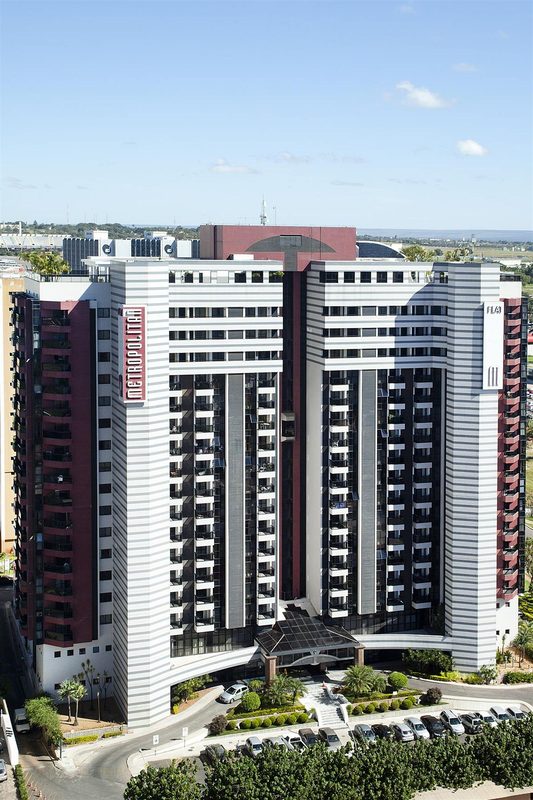
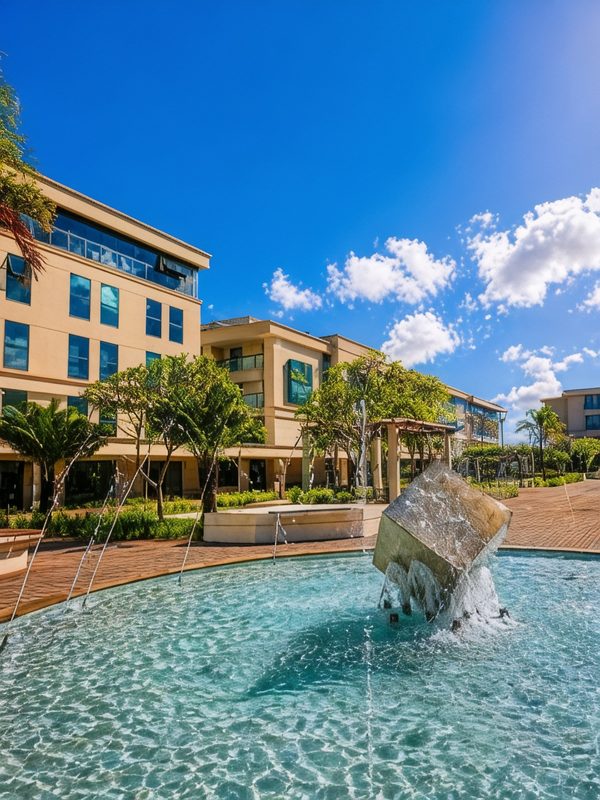
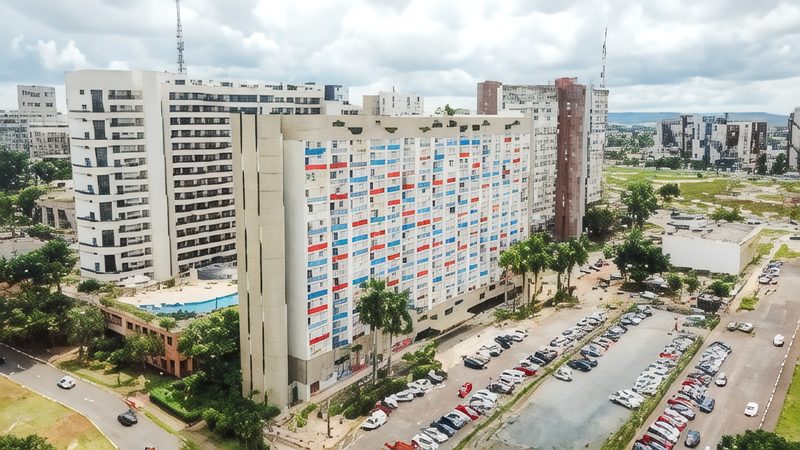
Where to Stay in Brasilia in July
Hand-picked hotels across price tiers for July travellers.
Public Holidays in July
Dates that affect opening hours, transport and crowds
Revolução Constitucionalista de 1932
Known in English as Constitutionalist Revolution of 1932. A public holiday in these regions only: BR-SP.
Revolução Constitucionalista de 1932
Known in English as Constitutionalist Revolution of 1932. A public holiday in these regions only: BR-SP.
Packing Checklist
Bookmark this page — your progress is saved between visits
Need the full list with shopping links?
Climate-specific gear, brand recommendations, and what to leave at home.
View Brasilia Packing List →Essential Tips
Insider knowledge and common pitfalls to avoid
Insider Knowledge
Brasilia's Plano Piloto is well-patrolled. It feels safe in daylight. The car-centric design leaves sidewalks deserted after dark. Vast open spaces look dramatic by day. They work against you at night. Satellite cities surrounding the Plano Piloto have higher crime rates. They are not tourist areas. Use ride-hailing apps for evening transport. Stick to commercial strips of Asa Sul and Asa Norte after sunset. Restaurants and bars stay lively until late there.
Distances on a Brasilia map deceive. What looks like ten minutes between the Cathedral and National Theatre is 1.5 km (0.9 mile) of exposed sidewalk along a highway median. No shade. No shelter. Rent a car. Budget generously for ride-hailing. Join a guided tour. Walking between landmarks like a European capital will exhaust you before lunch.
The best eating hides inside the superquadras. These residential blocks of Asa Sul and Asa Norte serve government workers and long-time residents. The food leans toward hearty Central Brazilian staples. Try feijão tropeiro with farofa and crisp pork crackling. Eat frango com quiabo simmered until okra dissolves into sauce. Find churrasco from rodízio houses grilling over the same pits since the 1970s. These spots rarely appear on tourist-facing apps. They never needed outside traffic.
Brasilienses treat July as social season. Dry weather pushes nightlife outdoors. Commercial strips of Asa Sul fill with crowds. Lakeside terraces along the Pontão do Lago Sul host weekend gatherings. Char-smoke from grilled meats mixes with live MPB and sertanejo music. Base yourself in Asa Sul or Asa Norte. You get dining access and sightseeing logistics. July school holidays bring domestic visitors. Book two to three weeks ahead for better-located options.
Avoid These Mistakes
Do not try walking between landmarks without a transport plan. Brasilia's planners assumed every visitor would drive. The Monumental Axis looks compact on maps. Real distances are enormous. Sidewalks face full sun with no tree cover. No shade structures stand between buildings. A half-day on foot without car or ride-hailing budget leaves you sunburned and dehydrated before your third stop.
Carry enough water. Humidity averages 48% in July. It can drop below 20% on driest afternoons. That is drier than many actual deserts. Your lips crack. Your throat tightens. You will not notice dehydration until the pounding headache hits. Carry at least 1.5 liters (50 oz). Refill at every opportunity.
Do not expect coastal Brazil. Brasilia sits on the Central Plateau at 1,100 m (3,609 ft) elevation. It is roughly 1,000 km (620 miles) from the nearest ocean beach. Lake Paranoá has recreational shoreline areas. Locals gather with chairs and coolers on weekends. The sunset alone justifies the visit. But if your trip depends on sand and surf, this is the wrong destination. No planning changes that geography.
Ready to plan your trip to Brasilia?
Now that you've got the research covered, here's where to go next.
Explore More Activities in Brasilia
Didn't see anything interesting yet?
Browse Viator's full catalog of tours, day trips, food experiences, and private guides in Brasilia.
See All Brasilia Tours on Viator