
Things to Do in Brasilia in September
September weather, activities, events & insider tips
Low Season · Budget Friendly
September Weather in Brasilia
Long-run averages for September in Brasilia
84°F (29°C)
High Temp
63°F (17°C)
Low Temp
1.5 inches (38 mm)
Rainfall
38%
Humidity
12
Sunny-Day UV
⚠ Cerrado wildfires produce smoke that can settle over Brasilia for days in September. Visibility drops. The skyline dims. Respiratory conditions flare. There is no reliable forecast for when smoke will drift in. It clears only when wind patterns shift. Or eventually, when October's rains arrive. Pack accordingly.
⚠ Humidity occasionally drops below 20% on individual September afternoons. This falls well beneath the WHO's recommended minimum of 60%. Nosebleeds follow. Cracked skin. Sinus irritation. Dehydration hits hardest during the first days of acclimatization. The city government sometimes issues dry-air alerts. Residents are advised to limit outdoor exertion between 10 AM and 4 PM on the worst days. Heed them.
⚠ Brasilia's altitude at roughly 1,100 m (3,609 ft) and thin, dry atmosphere amplify UV exposure well beyond what visitors from sea-level cities expect at the same latitude. Sunburn can develop in under 30 minutes of unprotected midday exposure. The reflected glare from white concrete and water surfaces compounds the effect. Sunscreen is not optional. Reapply often.
Is September Right for You?
Weigh the advantages and considerations before booking
Advantages
- + September is Brasilia's driest comfortable month, with only 38 mm (1.5 inches) of rain and skies so cloudless that Niemeyer's white concrete practically glows against cerrado blue. This is good for unhurried outdoor architecture tours. You will not duck into doorways every hour.
- + Brazilian Independence Day on September 7 transforms the capital's Esplanada dos Ministerios into the nation's ceremonial stage. Military jets trail green and yellow smoke overhead. A civic parade passes the National Congress. The patriotic atmosphere is electric. You cannot experience this anywhere else in Brazil.
- + Tourist crowds are thin to nonexistent. Brasilia is not on the international backpacker circuit even in peak season. September falls between the July school-holiday domestic increase and the October rains. You can walk into the Catedral Metropolitana or the Museu Nacional on a weekday morning. You will have the interior nearly to yourself.
- + Temperatures sit in a sweet spot between the cold nights of the June-July dry season and the crushing humidity that arrives with October's rains. Daytime highs averaging 29°C (84°F) are warm but manageable in shade. Evenings cool to 17°C (63°F). You can sit comfortably at an outdoor table in Asa Sul without sweating through your shirt.
Considerations
- − The air is punishingly dry. September's average humidity of 38% masks individual days that drop below 20%, well under the WHO's recommended floor. Nosebleeds, cracked lips, irritated sinuses, and dehydration headaches hit visitors from humid climates within the first 48 hours. Contact lens wearers may find their eyes burning by afternoon. Pack eye drops.
- − Cerrado wildfires send smoke drifting over the city on some September days. The skyline blurs. A faint burnt-grass haze diminishes those architectural views and can aggravate respiratory conditions. When it settles in, it lasts. There is no rain to wash it out until October.
- − The landscape surrounding Brasilia is at its least photogenic. The cerrado is brown, dormant, and fire-scarred after months without rain. If you are expecting the lush tropical green of coastal Brazil, the tawny grasslands and blackened tree trunks of the dry cerrado will feel stark rather than inviting. Adjust expectations.
Best Activities in September
Top things to do during your visit
Eixo Monumental Cycling Tours
September's bone-dry air and clear mornings make the Eixo Monumental the finest open-air architecture corridor you are likely to ride through. The axis stretches roughly 6 km (3.7 miles) from the Torre de TV to the Congresso Nacional. On a bike at 7 AM you feel the cool of 17°C (63°F) air on your arms before the sun climbs high enough to turn white concrete into a reflector. The scale of Lucio Costa's master plan only registers at pedaling speed. You pass the Itamaraty Palace's reflecting pools, the curved ribs of the Catedral Metropolitana, the twin towers of the National Congress rising against empty cerrado sky. By mid-morning the temperature pushes toward 29°C (84°F) and shade vanishes entirely across the esplanade. An early start is not a suggestion. It is the plan. September's low tourist presence means you may have entire stretches to yourself, with nothing but the sound of your tires on tarmac and the dry wind pushing across the Plano Piloto. See current guided cycling options in the booking section below. Operators typically provide bikes, helmets, and water, which you will drain faster than you expect in air this dry.
Booking Tip: Book at least a week ahead for guided rides. Most operators run early-morning departures only in September to beat the heat. Look for tours that include water refills and a stop at the Catedral, which rewards time on foot inside. Check the booking widget below for current options.
Chapada dos Veadeiros Nature Excursion
The Chapada dos Veadeiros sits roughly 230 km (143 miles) north of Brasilia, a three-hour drive through cerrado that in September looks like a savanna on pause. You see tawny grasses, blackened trunks from controlled burns, the occasional burst of yellow ipe flowers that bloom precisely because everything else has gone dormant. The national park's quartzite canyons and waterfalls are at their most accessible in the dry season, with trails firm underfoot and river crossings reduced to ankle-deep wading. The catch is worth knowing. Some smaller cascades run thin or stop entirely by late September, so calibrate expectations before you go. The major draws flow year-round. The Saltos waterfalls have drops exceeding 80 m (262 ft). The Cariocas trail winds through pale, wind-sculpted rock formations. The park's altitude at roughly 1,200 m (3,937 ft) keeps mornings cooler than the capital. By noon the UV is fierce and shade is sparse on exposed ridgelines. Day trips are possible but exhausting. An overnight near Alto Paraiso de Goias gives you a second morning on the trails and time to let the landscape settle in.
Booking Tip: Day trips from Brasilia require a very early departure, often before 5 AM. Book through operators who provide transport, a certified guide (required for park entry on most trails), and lunch. See current excursion options in the booking section below.
Oscar Niemeyer Architectural Circuit
Brasilia exists because one architect and one urban planner were handed empty red dirt and told to build a national capital from theory. September's relentless sun does what no gallery lighting can: it throws Oscar Niemeyer's curves into stark relief against deep blue sky. The Catedral Metropolitana is where most visitors begin. Descend into that sunken nave, then look up as sixteen concrete columns fan open overhead while stained glass floods the space in blue and green light. The effect still arrests, regardless of how many photographs you have seen beforehand. The Museu Nacional, a white dome hovering above a spiraling ramp, sits within walking distance on the Esplanada. Walking distance in Brasilia means 20 minutes across open concrete at 29°C (84°F) with zero shade anywhere. The Palacio do Itamaraty, the foreign ministry, is arguably Niemeyer's finest work in the capital: arches that appear to float above a reflecting moat, doubled in the water below. September's still air means those pools sit mirror-flat, no wind ripple at all. Photographers time their visits for this month.
Booking Tip: Guided tours that include interior access to the Itamaraty and Congress buildings need advance booking, sometimes two weeks ahead, as these require government clearance. Morning departures beat the midday heat. Check available architecture tours in the booking section below.
Lake Paranoa Paddleboarding and Sunset Sessions
Lake Paranoa was engineered into Brasilia's master plan: an artificial lake curving around the city's eastern edge that is the closest thing to a coastline for a capital sitting 1,000 km (621 miles) from the nearest ocean. In September the lake's surface on windless mornings turns glassy enough to make stand-up paddleboarding feel almost meditative, and the water temperature around 22-24°C (72-75°F) is refreshing after hours baking on shore. The western bank near the Pontao do Lago Sul promenade draws locals for sunset. On September evenings the bone-dry atmosphere produces gradients from copper through violet that explain why brasilienses defend their city to skeptics from Rio. The trade-off is real: this is urban water in an urban plan, and some stretches near residential zones feel manicured rather than wild. You are not paddling through wilderness. You are paddling through a mid-century utopian landscape reflected in a man-made lake, and whether that appeals depends entirely on what kind of water experience you came for.
Booking Tip: Paddleboard and kayak rental operators cluster near the Pontao area. No advance booking is usually needed on weekdays in September. But weekend mornings fill up. Look for operators who include a safety orientation, regarding the lake's boat traffic lanes. See current options in the booking section below.
Cerrado Gastronomy and Market Mornings
Brasilia's food draws from every corner of Brazil: the city was built by migrants from Minas Gerais, Goias, the Northeast, and the South, and they all brought their kitchens. The cerrado ingredient that defines local cooking is pequi, a golden-fleshed fruit with a sharp, musky aroma that announces itself from the kitchen before the dish arrives at your table. Restaurants across the Plano Piloto serve arroz com pequi year-round, and galinhada goiana, chicken simmered with the fruit over rice turned golden by its oil, is the comfort dish brasilienses claim as their own, borrowed from neighboring Goias. The rule every local delivers unprompted: never bite through the flesh to the pit. The seed hides hair-thin spines that will embed in your gums. You scrape the flesh with your teeth. Carefully. The Feira da Torre de TV, the large weekend market at the base of the television tower running since the city's early decades, is where September mornings come alive: smoke rising from rows of pastel fryers cracking out shells of molten cheese or seasoned beef, vendors pressing fresh sugarcane juice, stalls stacking pamonha, corn steamed in its husk until dense and faintly sweet. The dry September air carries these smells further than you would expect. You navigate the market partly by nose.
Booking Tip: The Feira da Torre runs weekends and is free to enter. Arrive before 9 AM for the best selection and cooler air. For guided food walks through the superquadra restaurant strips of Asa Sul, check the booking section below for current group options.
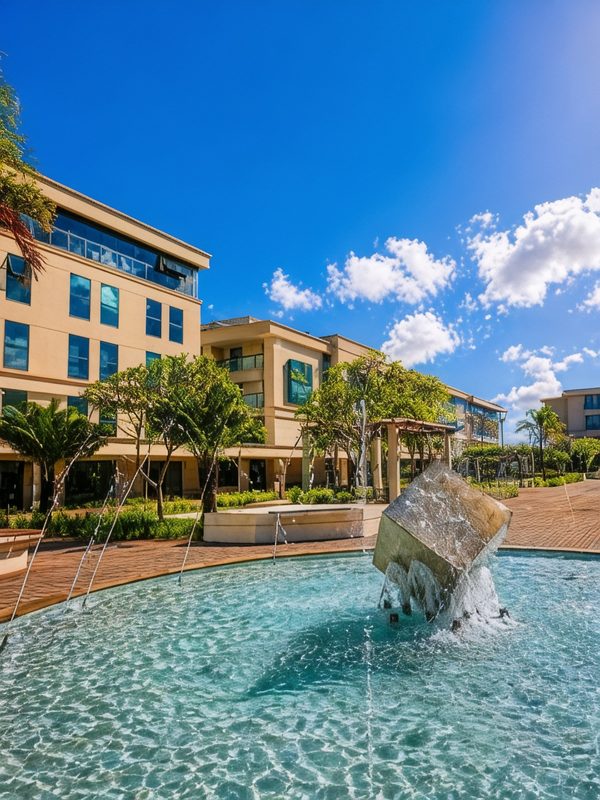
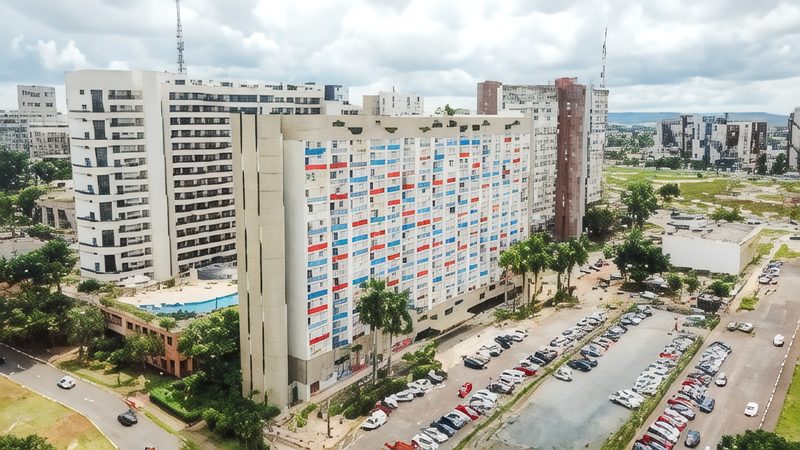
Where to Stay in Brasilia in September
Hand-picked hotels across price tiers for September travellers.
Public Holidays in September
Dates that affect opening hours, transport and crowds
Dia da Independência
Known in English as Independence Day. Observed nationwide as a public holiday.
Dia da Independência
Known in English as Independence Day. Observed nationwide as a public holiday.
Packing Checklist
Bookmark this page — your progress is saved between visits
Need the full list with shopping links?
Climate-specific gear, brand recommendations, and what to leave at home.
View Brasilia Packing List →Essential Tips
Insider knowledge and common pitfalls to avoid
Insider Knowledge
Brasilia was designed for cars. The distances between monuments that look strollable on a map will humble you in September's heat. The Eixo Monumental alone stretches over 6 km (3.7 miles). Crossing from the Catedral to the Congress on foot means 20-plus minutes of exposed concrete with no shade at all. Use ride-hailing apps between clusters. Save your legs for exploring within each complex. This is how brasilienses themselves move through the city they built.
The Plano Piloto, the planned central zone where the Eixo Monumental, Asa Sul, and Asa Norte form Brasilia's airplane shape, is generally safe for walking. The superquadra commercial strips stay lively into the evening. The satellite cities ringing the planned center have higher crime rates and no tourist infrastructure. There is no reason to wander into them without local guidance. Inside the Plano Piloto, the superquadras are where the city lives. Each residential block has a small strip of bakeries, bars, and per-kilo lunch spots serving government workers, not tourists. The Beirute bar in Asa Sul, open since the 1960s, is a Brasilia institution. The beer is cold. The atmosphere has not changed in decades. That is the kind of neighborhood dining this city does well. Find it by wandering any commercial strip at lunchtime.
September sunsets in Brasilia are quietly famous among Brazilians and largely unknown to international visitors. The flat terrain, high altitude, and near-zero humidity produce a sky that cycles through orange, copper, and deep violet in the last hour of light. This is the kind of gradient that looks retouched in photos. It is simply what happens when dry air at 1,100 m (3,609 ft) catches the equatorial sun. The Ermida Dom Bosco chapel overlooking Lake Paranoa and the Pontao do Lago Sul promenade are the two spots locals claim for this. They are right.
Independence Day on September 7 shuts down the Esplanada dos Ministerios with security cordons and road closures. These disrupt transit across the Plano Piloto for most of the day. If you want the parade, commit to it and arrive early. If you want the architecture, plan September 7 as your Lake Paranoa or Chapada dos Veadeiros day instead. Trying to squeeze past military checkpoints to photograph the Congress will waste your morning. The day before and after the holiday are normal. Schedule around the closure rather than fighting it.
Avoid These Mistakes
Underestimating the dry air until it is too late. Visitors from coastal Brazil, Southeast Asia, or the Caribbean arrive expecting tropical humidity. They discover that 38% average, with individual days plunging far lower, causes nosebleeds, cracked skin, and dehydration headaches within the first 48 hours. Drink water constantly, even when you do not feel thirsty. Carry saline spray for your nose. This is not optional comfort. It is how brasilienses survive their own city in September.
Walking the Eixo Monumental end-to-end in the midday sun is a rookie mistake. The distances are vast, shade is nonexistent by design, and the white concrete amplifies heat underfoot. Visitors routinely underestimate this. They end up sunburned and exhausted before reaching the Congress buildings. Cycle it at dawn instead. Use transport between monument clusters. Split the axis over two early mornings. No one who lives here walks it at noon. There is a reason for that.
Booking only one night because Brasilia looks like a stopover city on paper is shortsighted. The architecture alone takes a full day to absorb properly. The food scene in the superquadras rewards slow exploration. A day trip to the Chapada dos Veadeiros requires a pre-dawn departure that overnight visitors cannot manage. Three nights is the minimum. You need this to understand why brasilienses are quietly, stubbornly proud of a city that most Brazilians from the coast refuse to take seriously.
Ready to plan your trip to Brasilia?
Now that you've got the research covered, here's where to go next.
Explore More Activities in Brasilia
Didn't see anything interesting yet?
Browse Viator's full catalog of tours, day trips, food experiences, and private guides in Brasilia.
See All Brasilia Tours on Viator