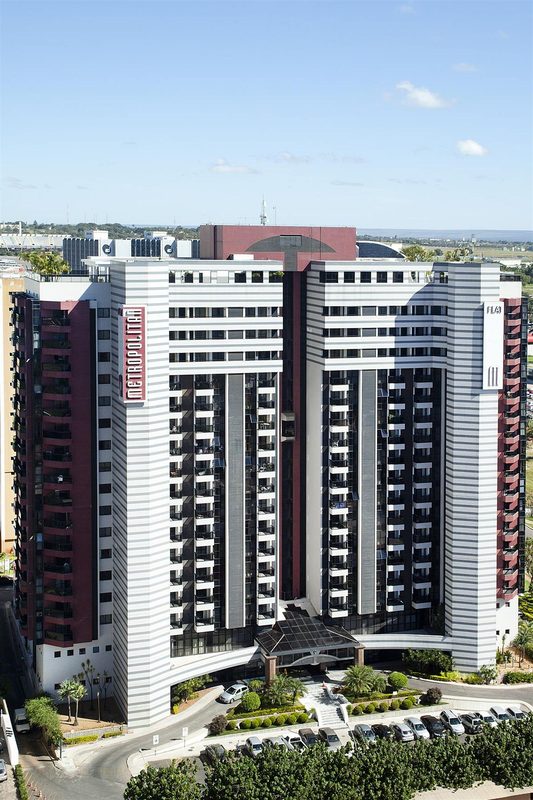

Things to Do in Brasilia in May
May weather, activities, events & insider tips
Low Season · Budget Friendly
May Weather in Brasilia
Long-run averages for May in Brasilia
78°F (26°C)
High Temp
60°F (15°C)
Low Temp
1.1 inches (28 mm)
Rainfall
65%
Humidity
9
Sunny-Day UV
⚠ Dry-season air at 65% humidity and dropping can cause nosebleeds, cracked lips, and sinus irritation, for visitors arriving from humid coastal cities. The effect intensifies over several days of exposure. Hydrate aggressively, use saline nasal spray, and moisturize before bed.
⚠ The UV index reaches 9 on clear days at Brasilia's 1,100 m (3,609 ft) elevation, and the open esplanades of the Eixo Monumental offer no shade for stretches of a kilometre or more. Sunburn can occur within 30 minutes of unprotected exposure at midday. Wear SPF 50+, reapply after sweating, and schedule the most exposed walking for before 10 AM or after 3 PM.
Is May Right for You?
Weigh the advantages and considerations before booking
Advantages
- + May brings the dry season in earnest. Brasilia's rainfall plummets from April's 5.7 inches (145 mm) to just 1.1 inches (28 mm). Days run clear across the Planalto Central. Niemeyer's white concrete curves and the twin towers of the Congresso Nacional photograph against deep blue now, not the grey overcast that defines the wet months. Plan outdoor itineraries without rain contingencies for the first time since October.
- + Temperatures settle between 15°C (60°F) at night and 26°C (78°F) by afternoon. This range makes walking the Eixo Monumental pleasant. September's 29°C (84°F) heat turns the same walk into punishment. Mornings carry a crispness that surprises people expecting tropical humidity. The 65% humidity level is a relief after the wet season's 76-82% mugginess.
- + Tourist numbers stay thin year-round compared to Rio or Salvador. May is quiet. Brazilian school holidays hit in July and January. Carnival owns February. The political calendar slows in May after the legislative push of March and April. The payoff is shorter waits at the Catedral Metropolitana. Elbow room on the Torre de TV observation deck. Accommodation availability that gives you use on rates.
- + The cerrado landscape around Brasilia still holds its late-wet-season green in May. The Parque Nacional de Brasilia's natural swimming pools at Agua Mineral remain full and swimmable. June through August will drop water levels. The transition light is exceptional. Low-angle sun cuts across the savanna in early morning. This is the region's best photography window.
Considerations
- − Brasilia's dry season brings a humidity drop that catches visitors off guard. By late May, the air is noticeably drier than most travelers expect from Brazil. Nosebleeds, cracked lips, and irritated sinuses are common complaints. People arriving from humid coastal cities like Rio or Recife suffer most. The dryness intensifies through June and July. May already marks the shift.
- − The 11°C (20°F) swing between day and night means packing for two climates. Afternoons feel warm enough for a t-shirt. Step outside after sundown and you will want a proper jacket. Visitors who arrive with only tropical-weight clothing spend their first evening buying a sweater. The Asa Sul commercial blocks have plenty of options.
- − Brasilia was designed for cars, not pedestrians. Distances between landmarks on the Eixo Monumental deceive on a map. Walking from the Catedral to the Congresso Nacional covers roughly 2 km (1.2 miles) of open esplanade. No shade. The nearest cafe or water source may be a ten-minute detour into a superquadra block. Without a car, ride-hailing apps or organized tours become effectively mandatory. Cover the Plano Piloto efficiently.
Best Activities in May
Top things to do during your visit
Eixo Monumental Architecture Circuit by Bike
The Monumental Axis stretches roughly 8 km (5 miles) from the Congresso Nacional to the Praça do Cruzeiro. Cycling it in May is the closest thing to having Oscar Niemeyer's masterwork to yourself. The dry air sharpens every edge of concrete and glass. By 7 AM, light rakes across the Esplanada dos Ministerios at an angle that turns identical ministry buildings into a study in shadow geometry. You will pass the Catedral Metropolitana. Sixteen curved concrete columns rise like hands pressed together in prayer. The interior floods with blue, green, and amber light from stained glass suspended above the sunken nave. At 26°C (78°F) with low humidity, May mornings let you ride the full axis without heat exhaustion. That stops most people by mid-morning in hotter months. The scale of the Plano Piloto only registers at cycling speed. Walking is too slow to feel the rhythm Lucio Costa designed. Cars are too fast to notice how each ministry building's colonnade frames the sky differently.
Booking Tip: Licensed bike tour operators run morning departures. Typically starting between 7 and 8 AM. This catches the best light and avoids afternoon warmth. Book three to five days ahead through the options in the booking section below. Look for operators who provide helmets and water. Find guides who can explain the architectural intention behind spacing and orientation. This transforms the ride from sightseeing into genuine understanding.
Parque Nacional de Brasilia Natural Pool Visit
Locals call it Agua Mineral. In May, the park's natural swimming pools fed by cerrado springs are still brimming from the wet season's recharge. The water runs cool enough to shock you on first contact. A sharp contrast to the warm afternoon air. The pools sit inside a corridor of gallery forest where canopy filters sunlight into green-gold patches on the surface. The surrounding cerrado savanna looks nothing like postcard Brazil. Twisted trees. Coarse golden grass. It smells of dry earth and aromatic shrubs. Somewhere between sage and sun-baked clay. May's moderate temperatures make the 3 km (1.9 mile) trail loop comfortable at any hour. Mornings before 10 AM offer the best birding. Toucans, macaws, and the distinctive red-legged seriema move through scrub with less caution when visitor numbers are low. The park sits only 10 km (6.2 miles) northwest of the Eixo Monumental. Combine a morning swim with an afternoon architecture tour. A natural day plan.
Booking Tip: The national park charges an entry fee at the gate. No advance booking required. Arrive before 9 AM on weekends. Brasilia families claim pool spots early. Weekdays in May are practically empty. Bring your own towel and water. For guided nature walks that identify cerrado flora and fauna, check the options in the booking section below. Book a day or two ahead.
Catedral Metropolitana and Cultural Corridor Walking Tour
The Catedral Metropolitana Nossa Senhora Aparecida is the building that silences people. You descend a dark ramp between four oversized bronze statues of the Evangelists, the passage deliberately claustrophobic, and then the space explodes upward into a circular nave where 16 curved concrete ribs hold a canopy of stained glass 40 metres (131 feet) above you. Three aluminium angels hang suspended by steel cables in the void. The effect in May, when morning sun pours through the east-facing panels and throws colored light across the marble floor, is worth the entire trip to Brasilia. From the Catedral, the cultural corridor runs southeast through the Museu Nacional Honestino Guimaraes, Niemeyer's half-sphere museum whose white dome seems to float above a curved ramp, and the Biblioteca Nacional, a pair of rectangular volumes connected by a walkway. This cluster of buildings represents the most concentrated display of late-twentieth-century modernist civic architecture anywhere on Earth, and in May you can walk between them at a comfortable pace without the wet-season downpours that send visitors sprinting for cover.
Booking Tip: Guided architecture tours that cover the Catedral, Museu Nacional, and surrounding government buildings run two to four hours depending on depth. Book through licensed operators in the booking section below. A guide who trained in architecture or urbanism will explain Niemeyer's structural innovations and Lucio Costa's city plan in ways that transform what looks like brutalist concrete into something legible and moving. Morning departures catch the cathedral light at its best.
Lago Paranoa Sunset at Pontao do Lago Sul
Brasilia has no ocean, and visitors who arrive expecting coastal Brazil sometimes write the city off as landlocked and dull. They are wrong about the second part. Lago Paranoa, the artificial lake that wraps around the eastern and southern edges of the Plano Piloto, stretches 40 km (25 miles) in perimeter and in May its surface goes mirror-still most evenings as the wind drops with the temperature. Pontao do Lago Sul is the lakeside promenade where Brasilia relaxes. The smell of grilled picanha drifts from the restaurants lining the water, live MPB and samba float from the open-air stages, and the sunset over the far shore, with the silhouette of the Palacio da Alvorada visible in the distance, turns the sky through shades of copper and violet that last a full half-hour on the dry-season plateau. May evenings cool to around 15°C (60°F), so bring a layer. The promenade fills with families, couples, and joggers, and the atmosphere is entirely local. You will hear Portuguese, not English, and that is the point.
Booking Tip: Pontao do Lago Sul is free to access and needs no booking. Arrive by 5 PM to claim a waterside table at one of the restaurants. For boat tours or stand-up paddleboard sessions on the lake, operators launch from the marina and can be arranged a day ahead. Check the booking section below for guided lake experiences. Weekday evenings in May are quieter than weekends.
Cerrado Day Trip to Chapada dos Veadeiros
Chapada dos Veadeiros sits roughly 230 km (143 miles) north of Brasilia and is one of the most biodiverse savanna landscapes on the planet, a UNESCO-recognized stretch of cerrado with quartzite canyons, waterfalls that drop into rust-colored pools, and rock formations older than the Amazon basin. In May, the waterfalls at Vale da Lua and Cariocas still carry substantial flow from the wet season, and the trails are firm and dry underfoot rather than the mudslide conditions that make the same hikes treacherous in January. The drive takes about three and a half hours through cerrado that shifts from Brasilia's flat plateau into rolling highlands where the red earth and contorted trees look almost African. The air at Chapada's 1,200 m (3,937 ft) elevation is cooler and drier than Brasilia proper, and the light at the canyon rims in late afternoon turns the quartzite to amber. This is the day trip that changes how visitors think about Brazil. It is not beach. It is not city. It is ancient savanna, and it is extraordinary.
Booking Tip: Full-day guided excursions depart Brasilia early, typically 6 AM, and return after dark. Book at least a week ahead through operators listed in the booking section below. Choose guides certified by ICMBio, the national parks authority, as they know the trail conditions and can access areas closed to unguided visitors. Wear broken-in hiking boots and carry at least 2 litres (half a gallon) of water per person. The trails range from 4 to 12 km (2.5 to 7.5 miles) depending on the route.
Feira da Torre de TV Sunday Market
Every Sunday morning, the base of the Torre de TV fills with roughly 600 stalls selling cerrado handicrafts, regional food, and the kind of handmade leather goods and semi-precious stones from Goias that you will not find in airport gift shops. The market has been running since the 1970s and the smell of pastel frying, a half-moon of dough stuffed with cheese, ground beef, or hearts of palm and dropped into bubbling oil, is the first thing that hits you from the car park. The Torre itself, a 224-metre (735-foot) concrete needle with an observation deck at 75 metres (246 feet), gives the best free panoramic view of the Plano Piloto, and in May the dry-season clarity means you can trace the airplane shape of Costa's city plan from the wings of the residential superquadras to the cockpit of the Praca dos Tres Poderes. Go early. By 11 AM the stalls are crowded and the pasteis are at their freshest before 9. The observation deck is best in the first hour after opening, when the sun is low enough to throw long shadows across the Eixo Monumental below.
Booking Tip: No booking needed. The market runs Sundays from early morning to early afternoon. Combine it with the Torre de TV observation deck visit, which is free. Arrive by 8 AM for the best selection and shortest lines at food stalls. The market is accessible by ride-hailing from anywhere in the Plano Piloto in under fifteen minutes.
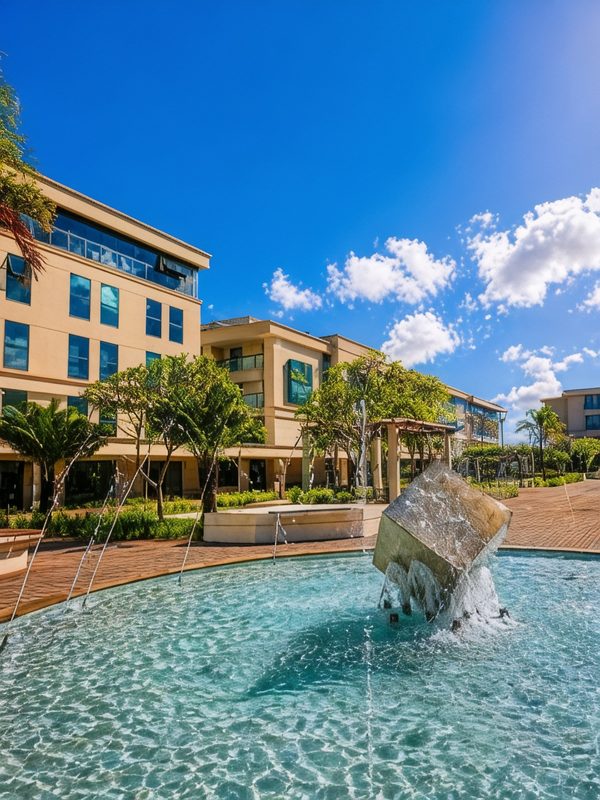
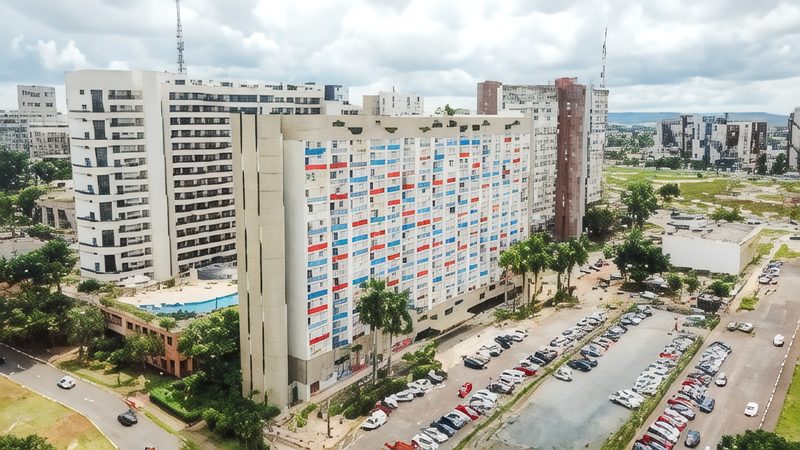
Where to Stay in Brasilia in May
Hand-picked hotels across price tiers for May travellers.
Public Holidays in May
Dates that affect opening hours, transport and crowds
Dia do Trabalhador
Known in English as Labour Day. Observed nationwide as a public holiday.
Corpus Christi
Observed nationwide as a public holiday.
Dia do Trabalhador
Known in English as Labour Day. Observed nationwide as a public holiday.
Packing Checklist
Bookmark this page — your progress is saved between visits
Need the full list with shopping links?
Climate-specific gear, brand recommendations, and what to leave at home.
View Brasilia Packing List →Essential Tips
Insider knowledge and common pitfalls to avoid
Insider Knowledge
Brasilia's superquadras hide the real eating life. The residential blocks, numbered by sector and position, look like identical apartment architecture. Each superquadra conceals a commercial strip at ground level. These restaurants serve upstairs neighbors, not tourists. The blocks along Asa Sul between 400 and 410 hold established per-kilo lunch spots. Per-kilo dining, buffet plates priced by weight, is how brasilienses eat lunch. Quality at a good per-kilo place outperforms sit-down restaurants. Grilled meats carved to order. Regional sides like feijao tropeiro and farofa. Fresh cerrado fruit juices. Less effort, better result.
The notion that Brasilia offers nothing is repeated so often it has become self-reinforcing. It is largely wrong. What Brasilia lacks is obvious, self-curating tourist infrastructure. Rio and Salvador have that. Brasilia has concentrated architectural significance. The best cerrado access of any major Brazilian city. A serious restaurant culture built on diplomatic and government entertaining. A nightlife scene clustered in specific Asa Norte blocks and around the CONIC building in Setor de Diversoes Sul. Most visitors never find these. Nobody told them where to look. The city rewards specific knowledge. Wandering fails here.
Safety in Brasilia follows geography. The Plano Piloto, the planned central core with Eixo Monumental, Asa Sul, Asa Norte, and lake zones, stays well-policed. Day and evening walking in populated areas is generally safe. The satellite cities ringing the Plano Piloto, Ceilandia, Samambaia, and Taguatinga, carry higher crime rates. Casual tourist exploration there requires local knowledge. Standard urban precautions apply everywhere. Front pockets for phones. Avoid displaying expensive cameras on straps. Use ride-hailing after dark. Do not walk empty Eixo Monumental stretches at night. The space was designed for daytime civic function. Evening pedestrian life was never the point.
The cerrado fruits available in May markets and juice bars are unlike anything you have tasted. Pequi, a bright yellow fruit with a flavor somewhere between cheese and turpentine that locals either worship or cannot stand, appears in rice dishes and chicken stews across the city. Baru, a nut from the cerrado tree, tastes like a cross between peanut and almond and is roasted and sold at the Feira da Torre. Buriti, a reddish palm fruit, makes a thick, slightly tart juice that brasilienses drink the way paulistanos drink acai. Ask for these by name at any market or juice bar in the superquadra commercial strips. If the menu only lists standard tropical fruits, you are in the wrong place.
Avoid These Mistakes
Assuming you can walk between landmarks on the Eixo Monumental without planning for the distances. The avenue is 8 km (5 miles) long with very little shade, and the spaces between buildings that look small on a map are vast open esplanades designed at the scale of motorcades, not pedestrians. Visitors who set out on foot from the Congresso Nacional toward the Torre de TV without water or sun protection routinely give up a third of the way in. Use the bike tours, hire a car, or plan your walking in short segments with ride-hailing between clusters of buildings.
Packing only tropical clothing because Brasilia is in Brazil. The city sits at 1,100 m (3,609 ft) on a continental plateau, not on a beach. May nights at 15°C (60°F) are cool, and the dry wind makes it feel colder. Travelers in shorts and flip-flops at an outdoor restaurant after sunset look cold because they are cold. Bring layers.
Skipping the superquadra commercial blocks in favor of eating only at restaurants in the hotel sectors or lakeside areas. The hotel-zone restaurants serve a captive audience and price accordingly. The per-kilo lunch places and regional restaurants tucked into the ground floors of residential superquadras in Asa Sul and Asa Norte are where brasilienses eat daily, and the food is better, more regional, and significantly more affordable. The grid numbering system looks confusing at first but follows a simple logic once you learn it: even-numbered quadras are on one side, odd on the other, and the number increases as you move away from the Eixo.
Ready to plan your trip to Brasilia?
Now that you've got the research covered, here's where to go next.
Explore More Activities in Brasilia
Didn't see anything interesting yet?
Browse Viator's full catalog of tours, day trips, food experiences, and private guides in Brasilia.
See All Brasilia Tours on Viator